
Applications
Where electron diffraction gives you the answer.
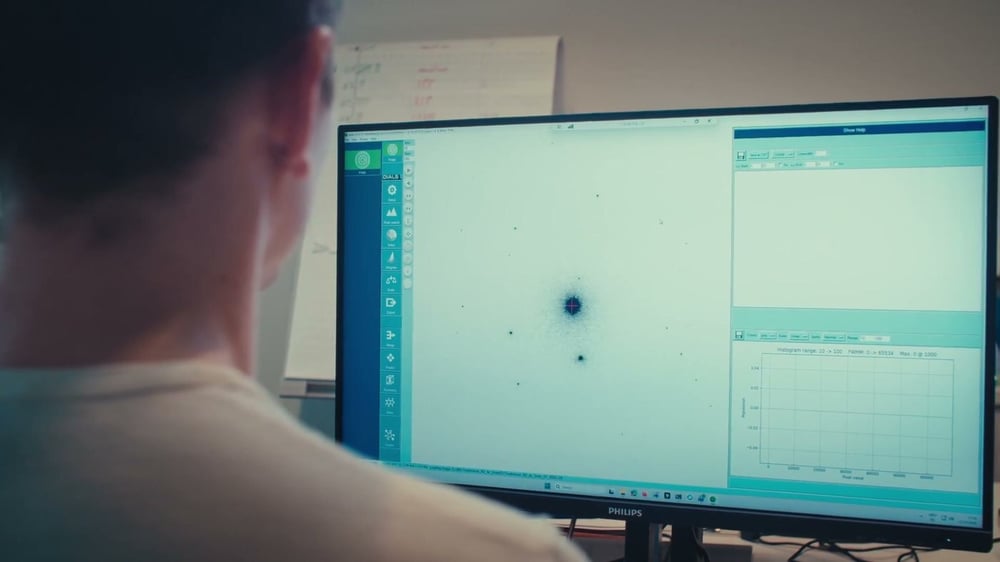
Growing a crystal for X-ray took thirty days; the electron-diffraction dataset took minutes (febuxostat, CrystEngComm 2024). The solid-form questions electron diffraction answers, across pharma, agrochem, battery, biomaterials and materials.
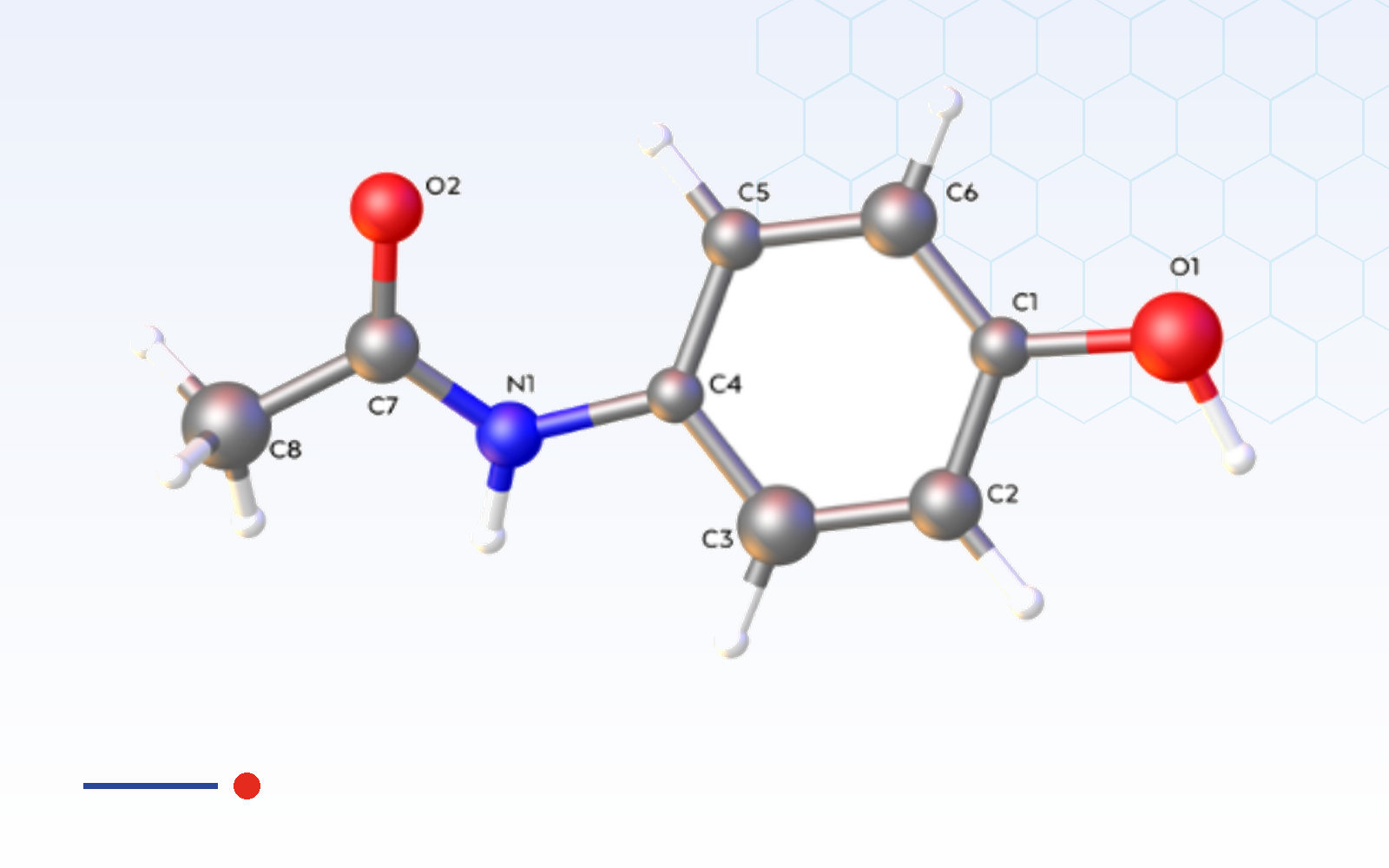
Pharmaceutical solid-form ID
Polymorphs, salts, cocrystals and hydrates – resolved when the crystals are too small to grow for single-crystal X-ray.
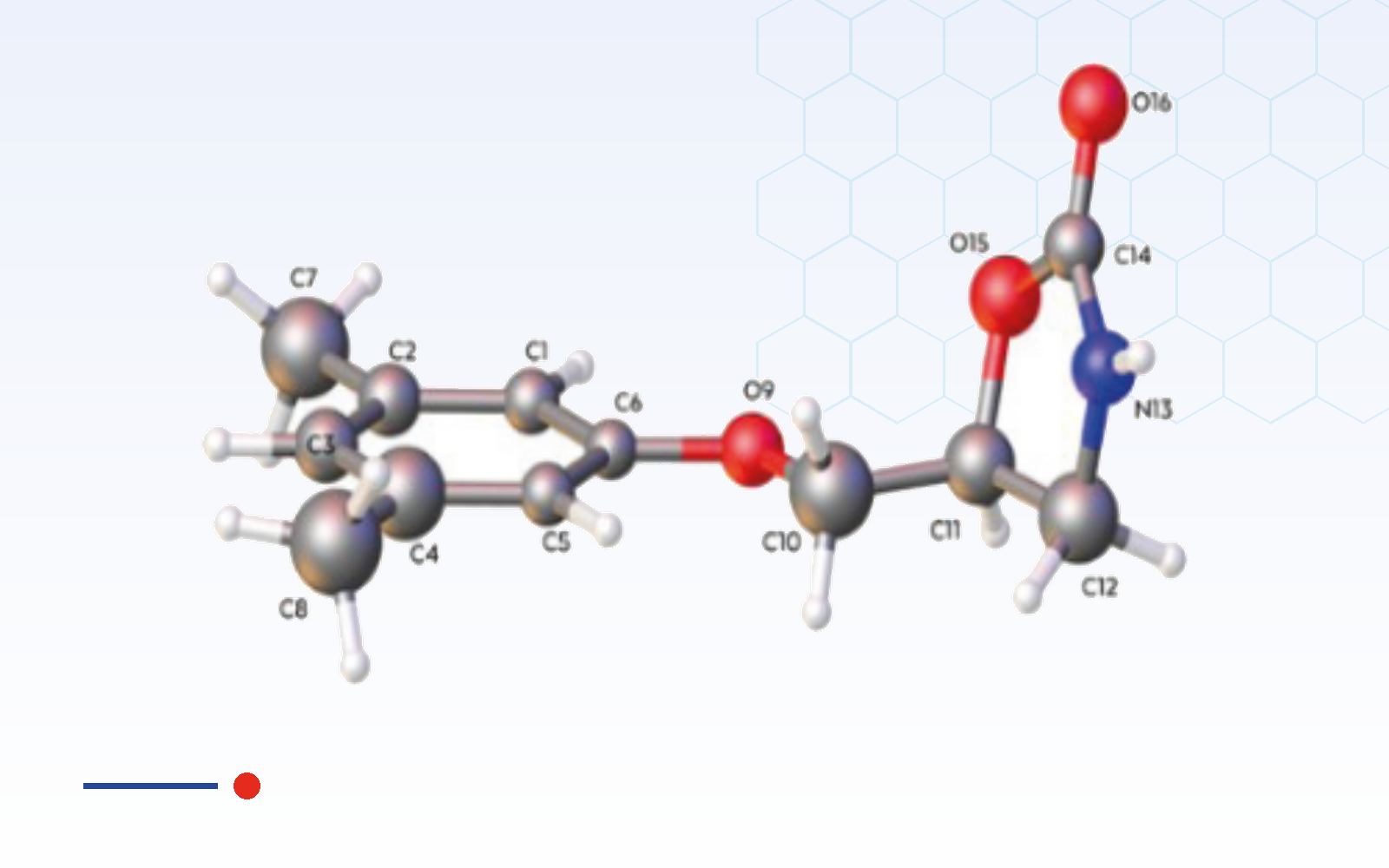
Impurity & trace-phase analysis
Identify phases present below the powder-diffraction detection threshold, at the single-crystallite level.
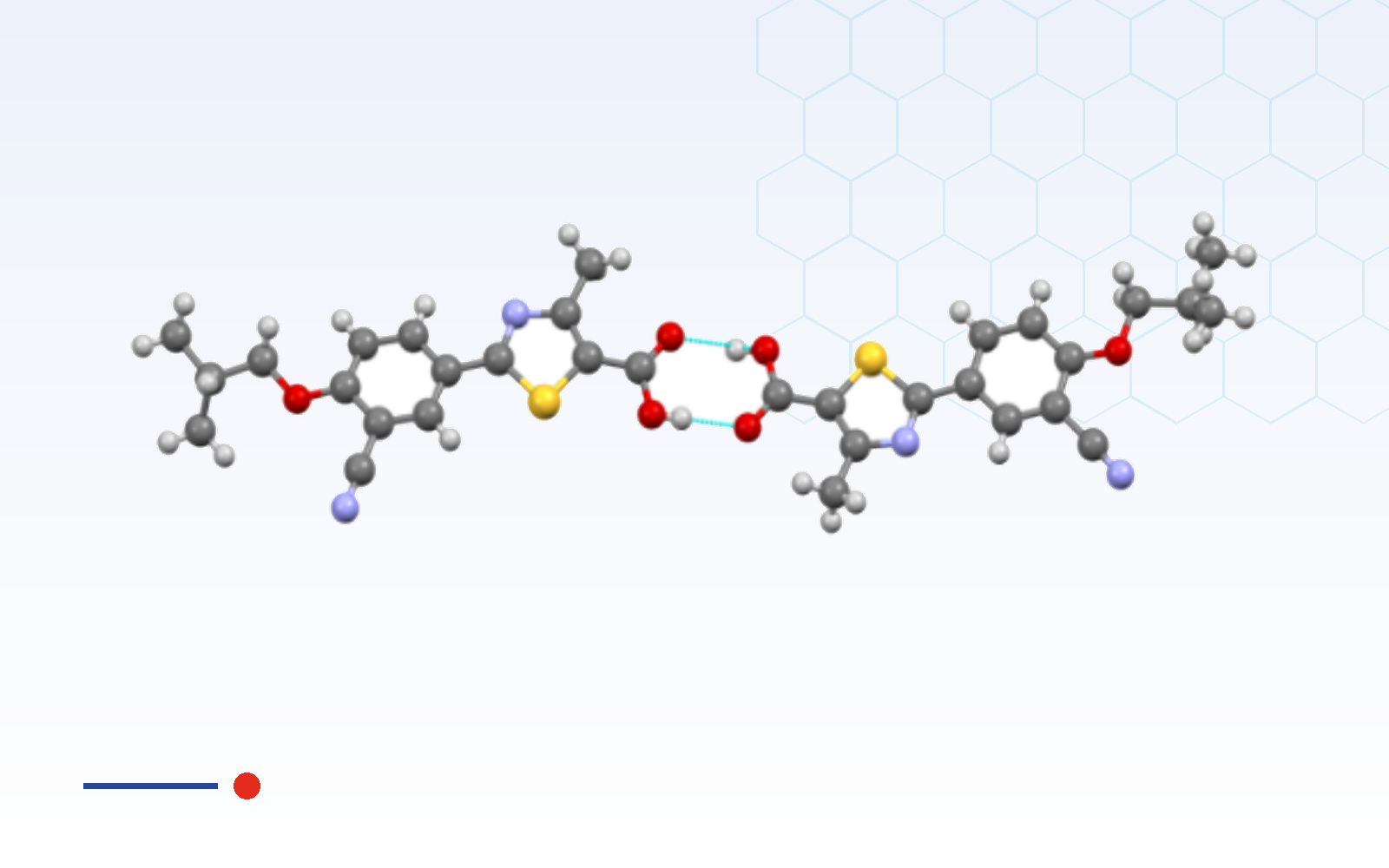
Scarce & precious material
Complete structures from milligram-scale samples – early-stage APIs, precious batches and forensic amounts too small to crystallise for single-crystal X-ray.
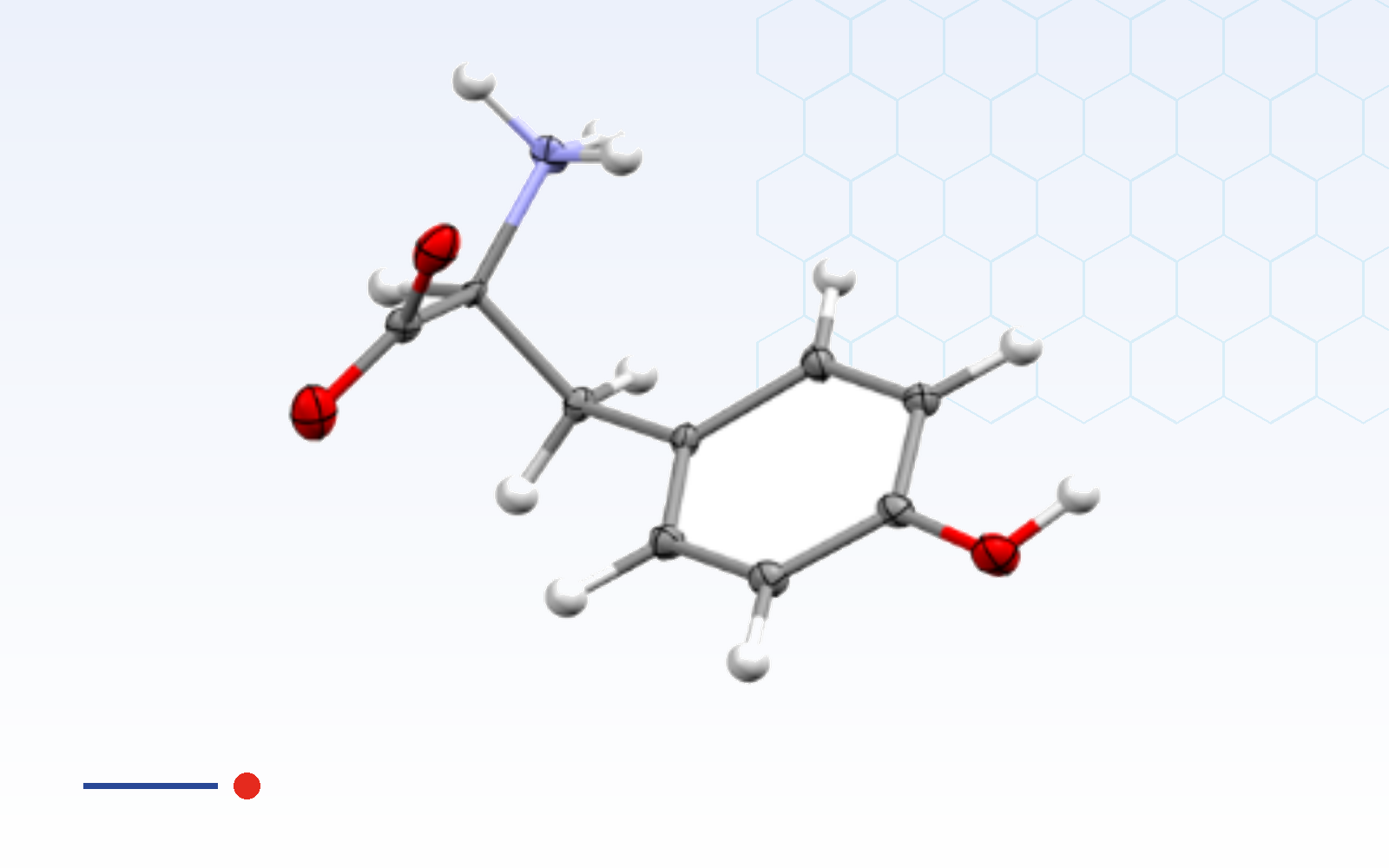
Agrochemicals & fine chemicals
Solid-form characterisation for compounds that resist conventional crystallography.
By sector
Where electron diffraction delivers
How electron diffraction is used across the fields we work in – and the worked examples behind each. Every example here was measured on the ELDICO ED-1, as a service in our lab or on an ED-1 of your own. Pick your area.

Pharmaceuticals
Electron diffraction answers the solid-form questions that shape a drug's development – resolving polymorphs, salts, co-crystals and hydrates directly from the micro- and nanocrystals that routinely defeat single-crystal X-ray. It confirms absolute configuration for chiral APIs and pinpoints crystalline impurities below the powder-diffraction detection threshold, all from milligram-scale material – so even early-stage or precious batches can be characterised without growing large crystals.
See pharmaceutical application notes →
Agrochemicals
Agrochemical actives and formulations often crystallise as fine powders or scarce material that resist conventional crystallography. Electron diffraction determines their structures at the single-crystallite level – resolving polymorphic forms and characterising nanocrystalline actives where single-crystal X-ray would need crystals you simply can't grow.
See agrochemical application notes →
Biomaterials & biomolecules
Peptides, small biomolecules, vitamins and other biogenic crystals frequently form only sub-micron crystals. 3D electron diffraction determines their structures from these nanocrystals – opening structural characterisation in cases where crystal size has long been the barrier.
See biomaterials application notes →
Battery & energy materials
Cathodes, solid electrolytes and other functional materials are frequently nanocrystalline, air- or moisture-sensitive, and present as mixtures of phases. Electron diffraction solves individual nanocrystallites – including beam- and air-sensitive phases via sealed inert or cryo transfer – to reveal the structures behind performance.
Discuss a battery/energy sample →
Materials science
Catalysts, MOFs, pigments, minerals and fine chemicals often exist only as powders or intergrown nanocrystals. Electron diffraction resolves individual crystallites – distinguishing phases within mixtures and solving structures that powder methods can only fingerprint.
Discuss a materials sample →From screening to certainty
One method, across the solid-form workflow.
Whether you're screening polymorphs, chasing a trace impurity, confirming absolute configuration or working from milligrams of a precious batch, electron diffraction returns a definitive structure – where powder methods stop at a fingerprint and single-crystal X-ray needs crystals you often can't grow.
Every area here is backed by worked examples in our library – real samples, real structures, with the data and reports behind them.
Browse the application notesNot sure electron diffraction fits your workflow?
A feasibility study answers that before any full measurement.
Discuss feasibility study